Advertising in India
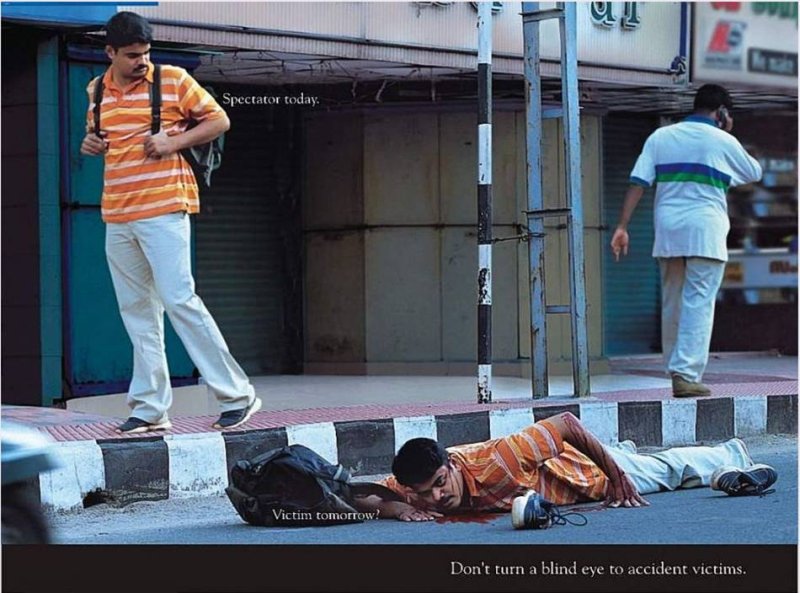
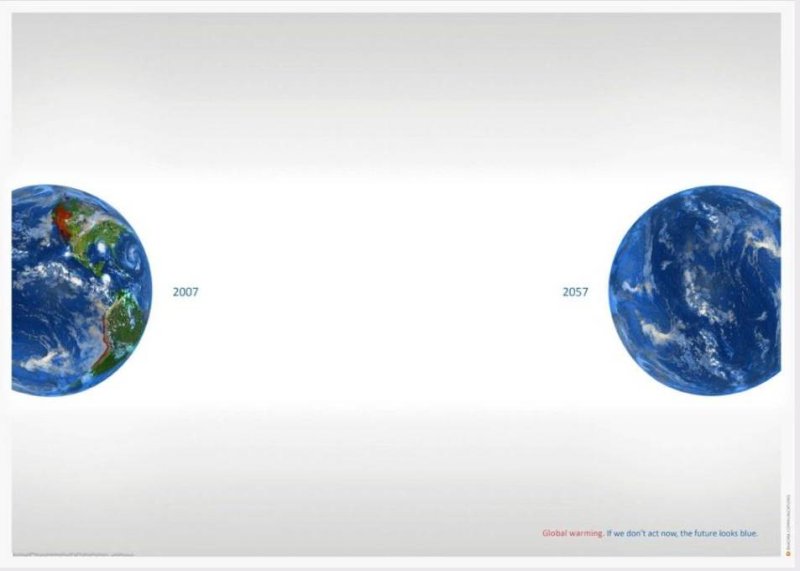
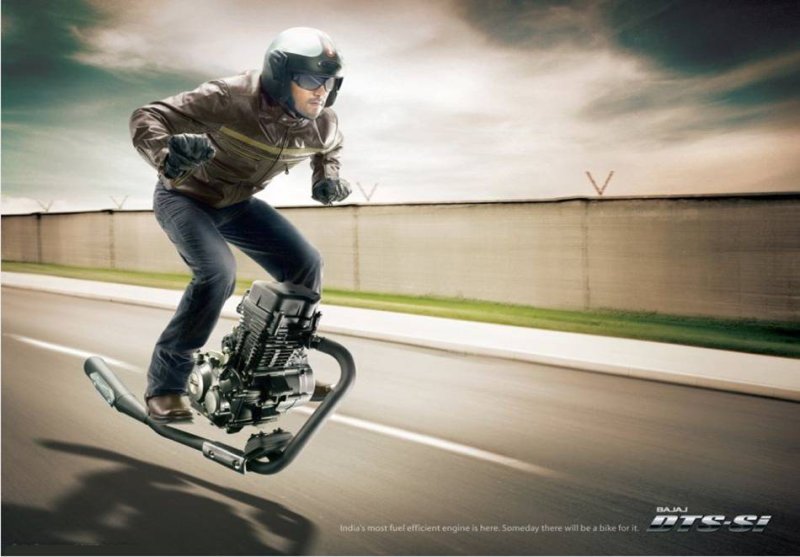
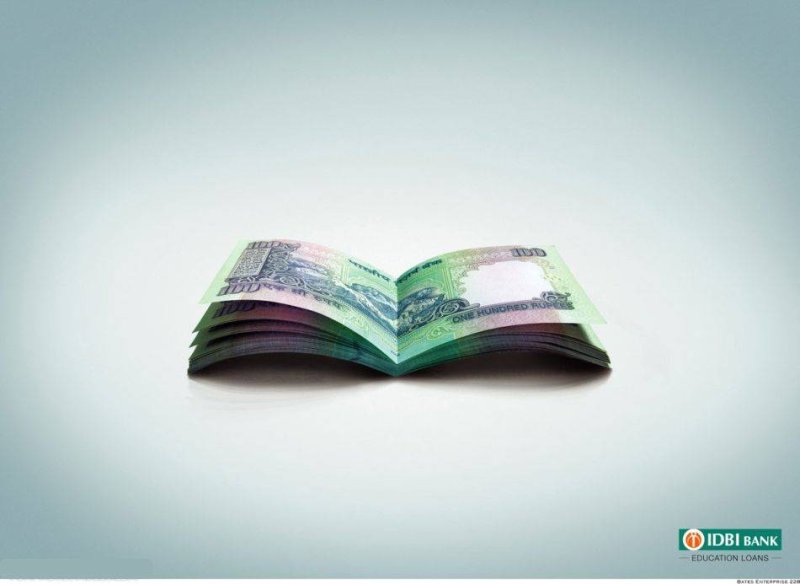
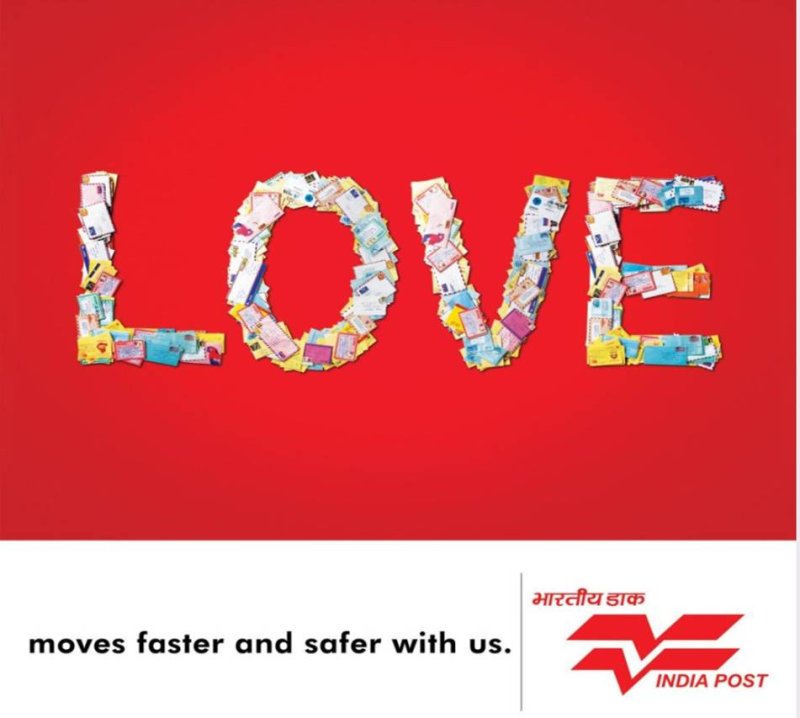
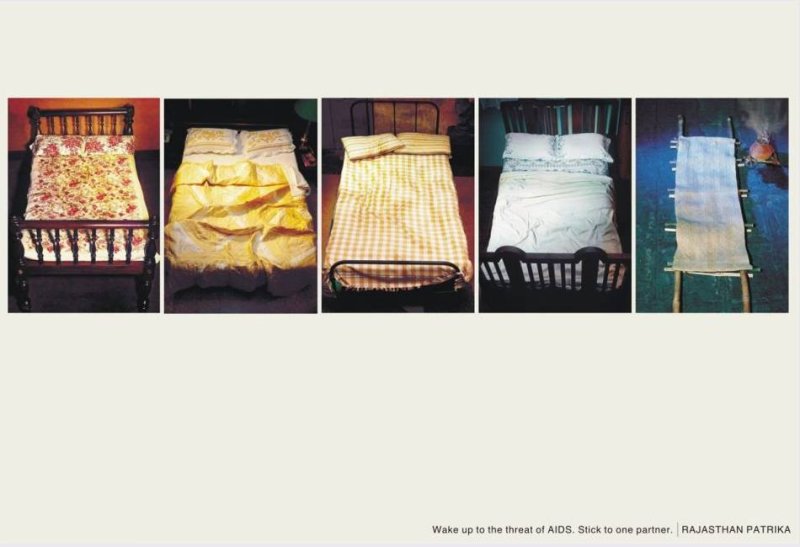
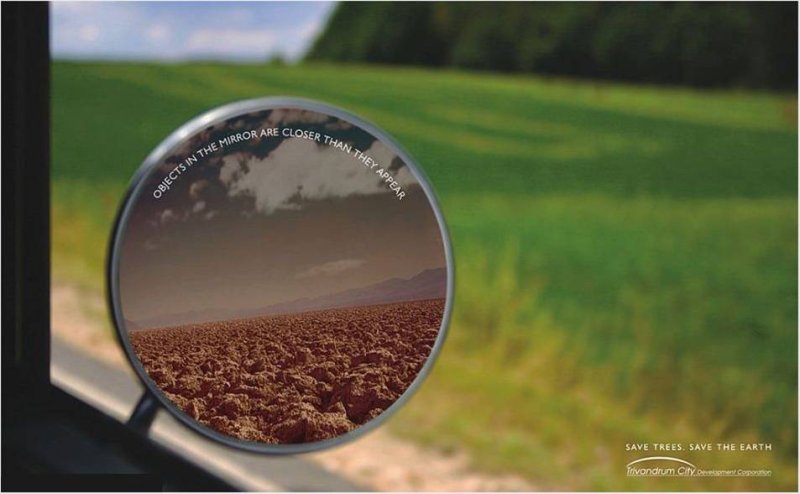
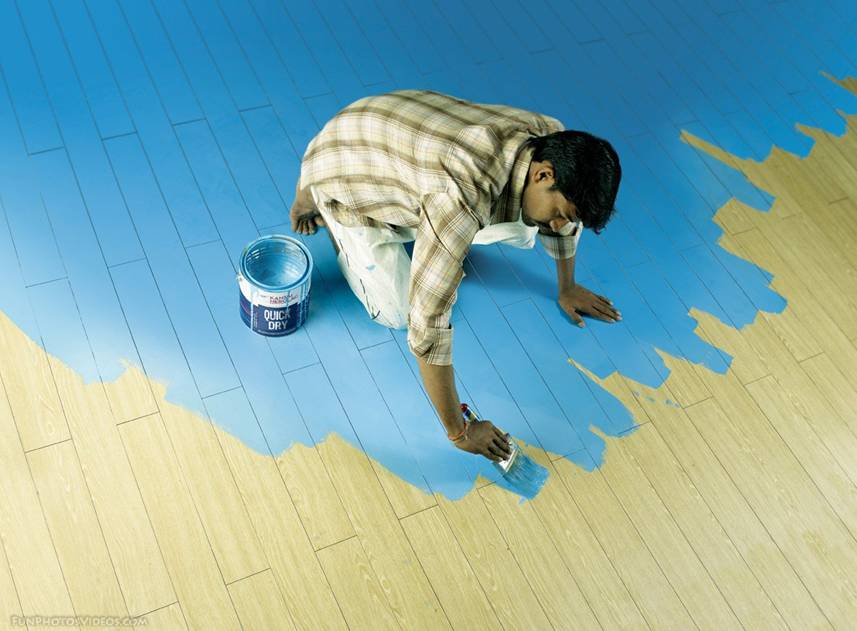
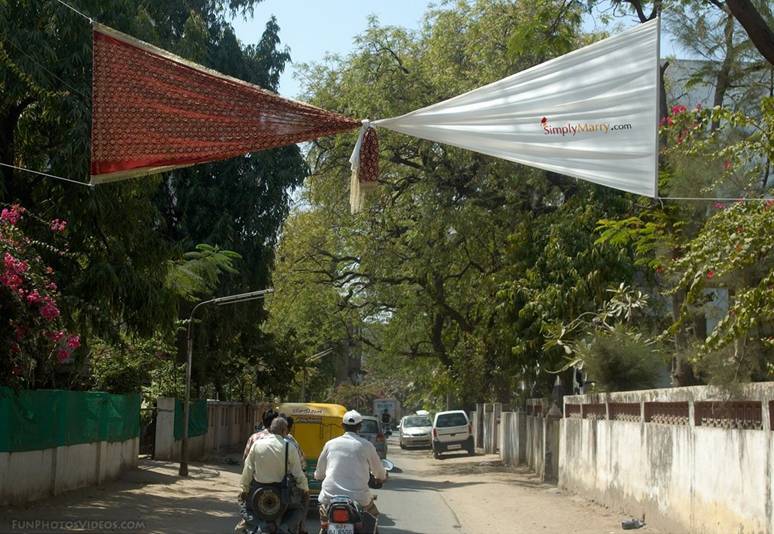
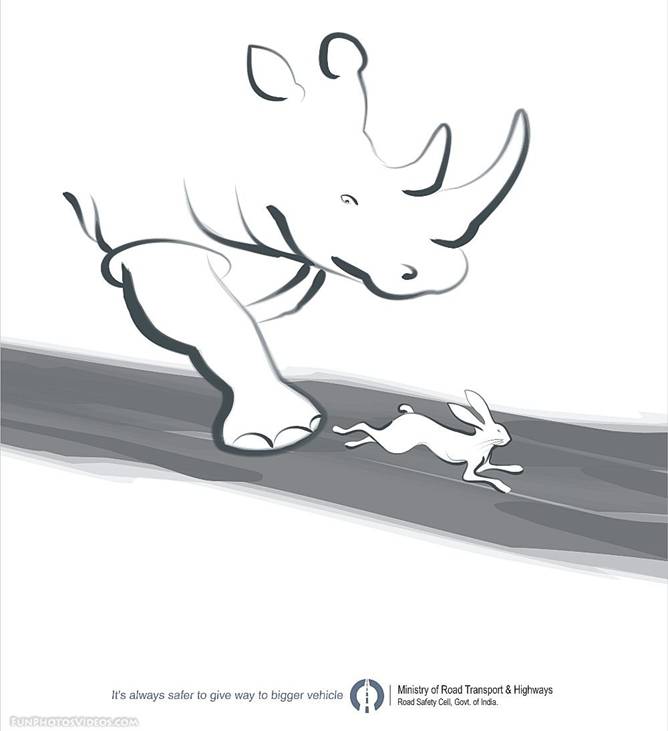
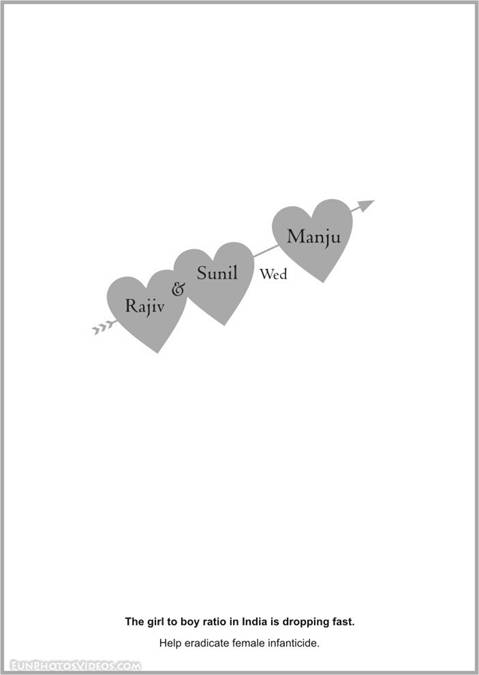
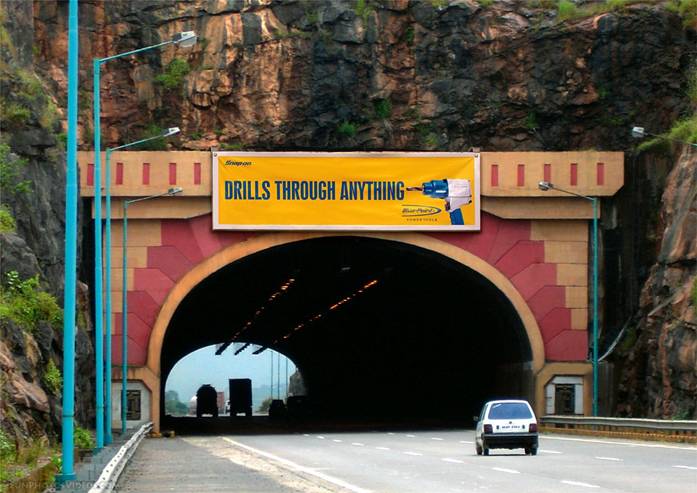
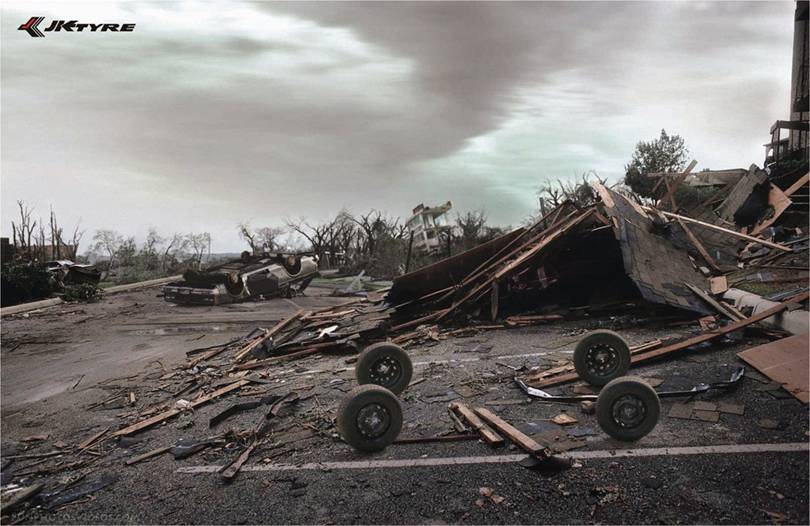
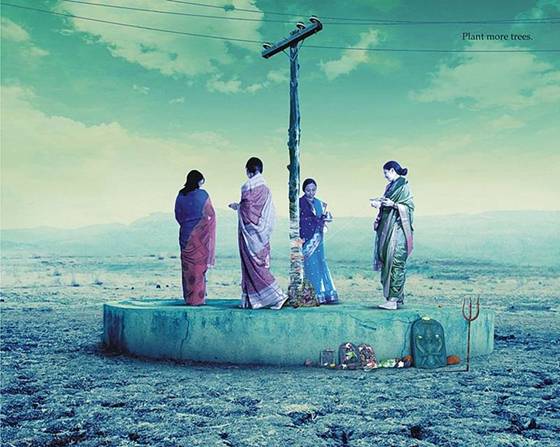
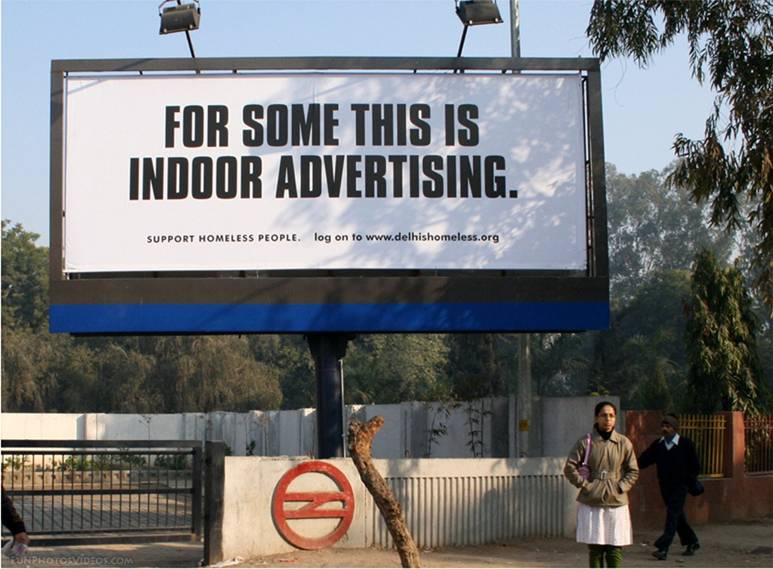
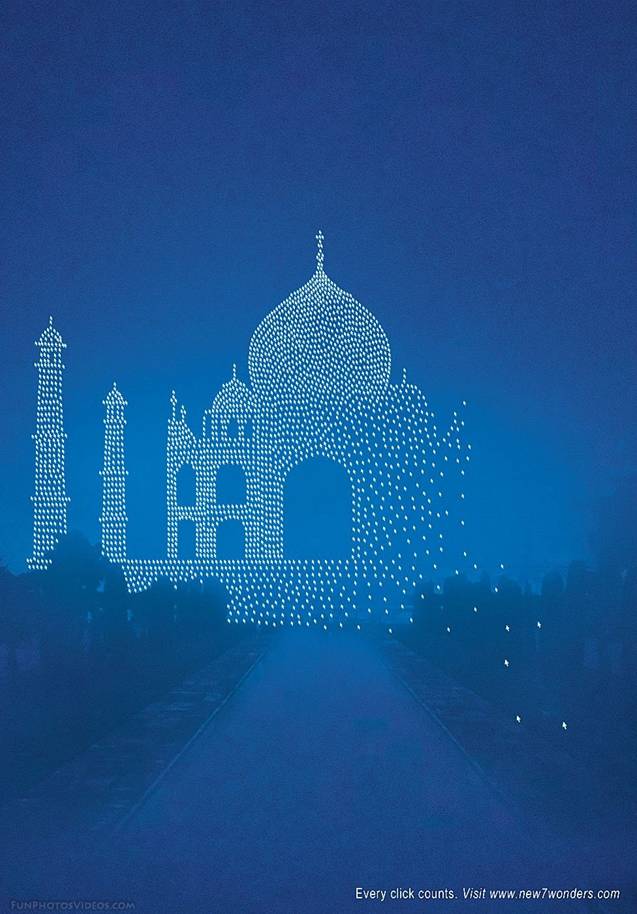
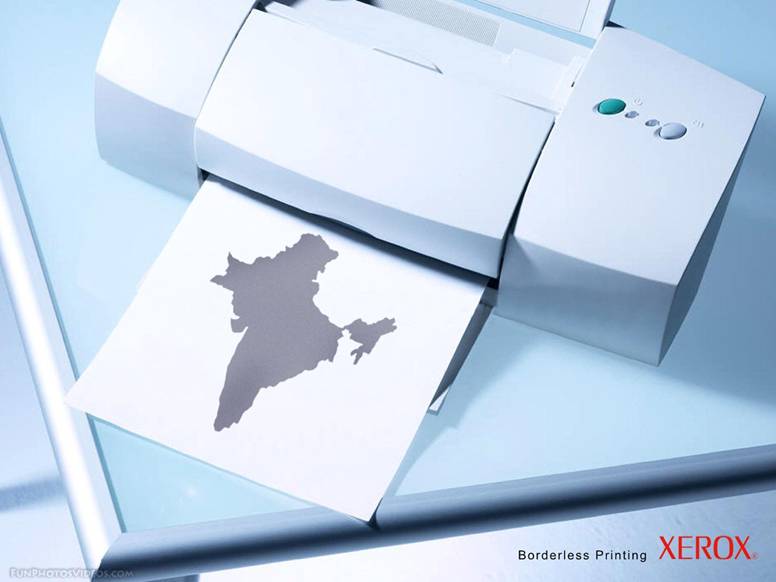
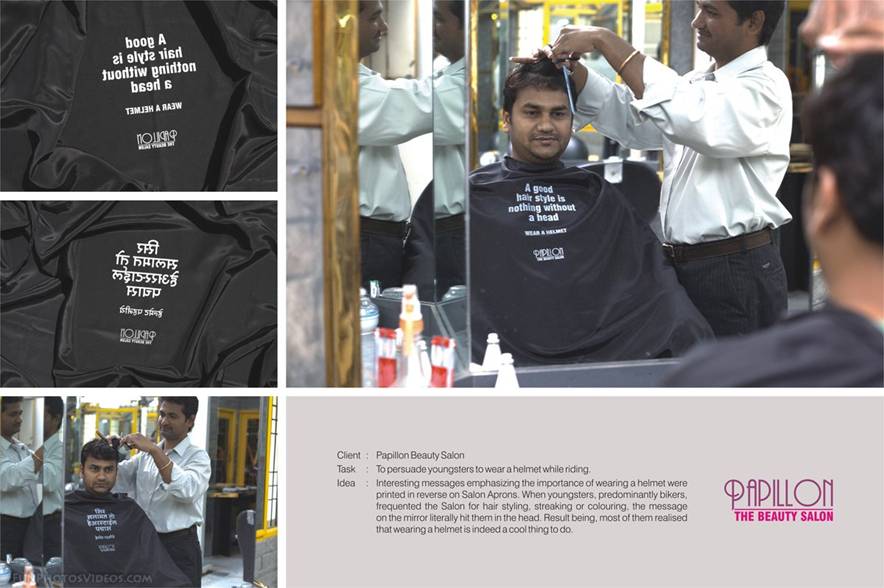
The Indian print and television advertising agencies are pretty creative in my opinion. Some of the ads that I see on TV and in the newspaper are on par with the commercials here in the United States. A friend of mine sent me these images of some funny print advertisements from India and I thought I would share it with everyone. Some of the these advertisements are commercial in nature and some of them have a social message. In order to view the full image, click on the image below and it will open up in a bigger window. Enjoy.

Holi - A Hindu Festival of Colours
 |
Its March 4th, 2007 and I would like too Happy Holi to everyone. Have you wondered what the significane of Holi is. Holi or Phagwah (Bhojpuri) is an annual and popular Hindu spring festival. It takes place over two days in the later part of February or early March. As per the Hindu calendar, it falls on the Phalgun Purnima (or Pooranmashi, Full Moon). It is also called the Festival of Colours. In West Bengal, it is known as Dolyatra (Doljatra) or Boshonto Utshob ("spring festival"). |
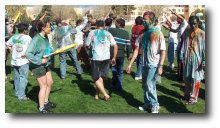
Friends celebrating Holi in Pune, IndiaOn the first day, a bonfire is lit at night to signify burning Holika. On the second day, known as Dhulandi, people go around until afternoon throwing colored powder and water at each other. A special drink called thandai is prepared, sometimes containing bhang (Cannabis sativa). People invite each other to their houses for feasts and celebrations later in the evening. Rangapanchami occurs a few days later on a Panchami (fifth day of the full moon), marking the end of festivities involving colours.
Celebration of HoliThis festival occurs at the onset of spring. This period, during which the weather changes, is prone to cause viral fever and cold. Thus, the playful throwing of the coloured powders has a medicinal significance as the coloured powders are made of Neem, Kumkum, Haldi, Bilva, and other medicinal herbs prescribed by Ayurvedic doctors.
In 2007, Holi will be celebrated on March 3rd, the burning of Holika will be on March 4th, and then Dhuleti on March 5.
Although a Hindu celebration, other religions in India celebrate it as well. In fact, some of the best Holi celebrations are said to happen in Punjab, where Hindus and Sikhs celebrate together. This celebration in Punjab typically involves Dholi's and other musical instruments as kids and adults celebrate.
AutoRickshaw
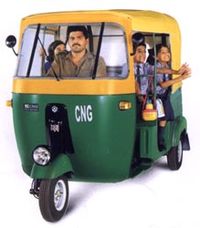 |
An auto rickshaw (auto or rickshaw or tempo or tuk-tuk in popular parlance) is a vehicle for hire that is one of the chief modes of transport in India, Pakistan, Nepal, Bangladesh and Sri Lanka and is popular in many other countries. It is a motorized version of the traditional rickshaw, a small two- or three-wheeled cart pulled by a person, and the velotaxi. A small number of auto rickshaws and tuk-tuks can be seen on the streets of China Town in London, although used mainly by tourists and not the local population. The auto rickshaw is also related to its Thai, Lao, Cambodian cousins, the tuk-tuk and the Bajaj in Indonesia, whereas in Brighton, England auto rickshaws are called tuctucs. |